In today's automotive design landscape, where human-machine interaction and emotional experience are increasingly emphasized, lighting has gone far beyond mere functional requirements.
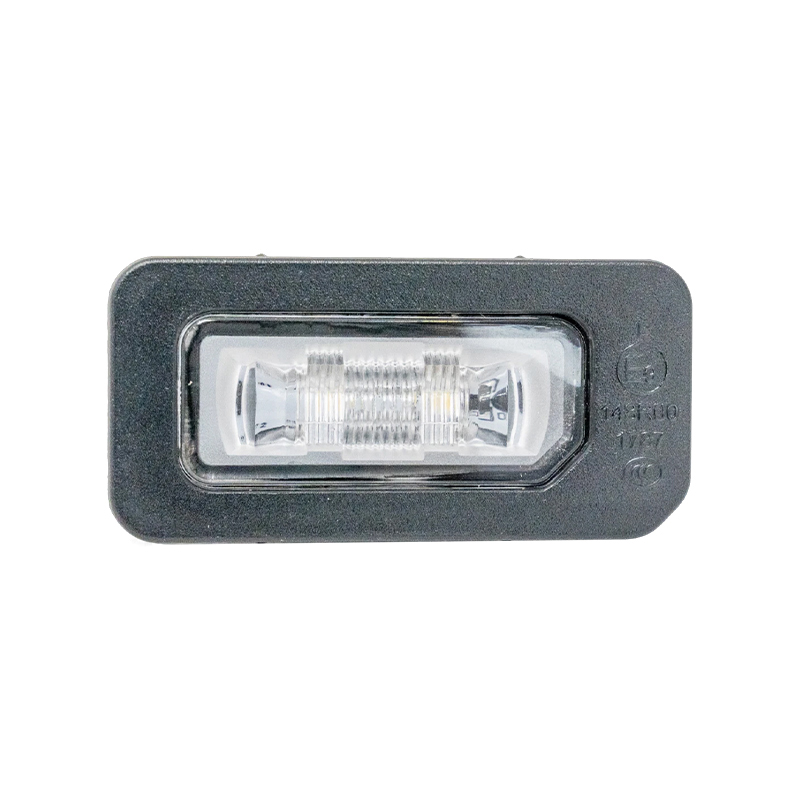
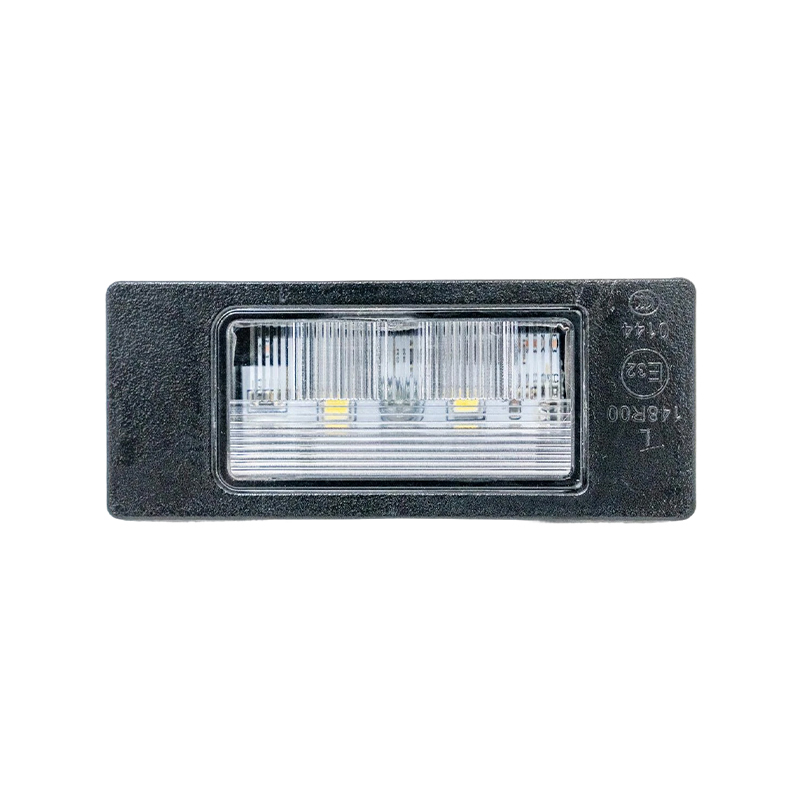
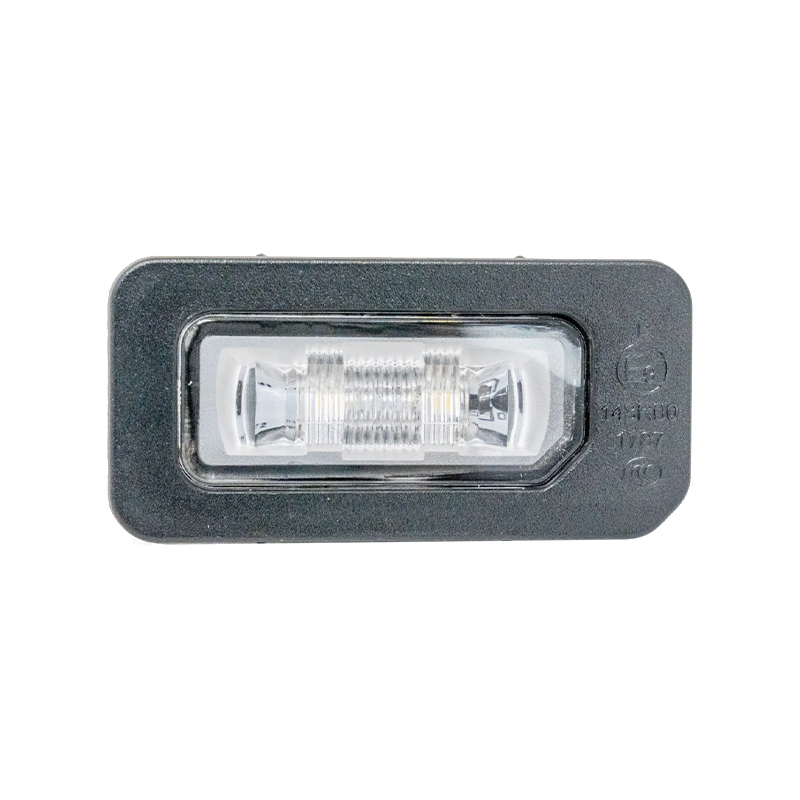
LED light sources have become the mainstream choice for modern license plate lights due to their small size, long lifespan, and highly adjustable color temperature.
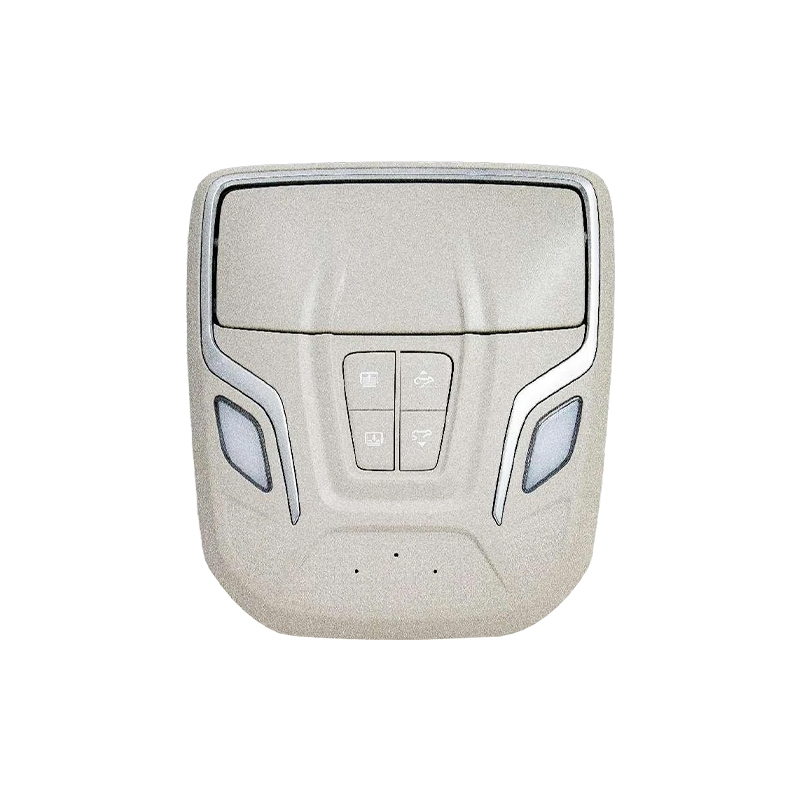
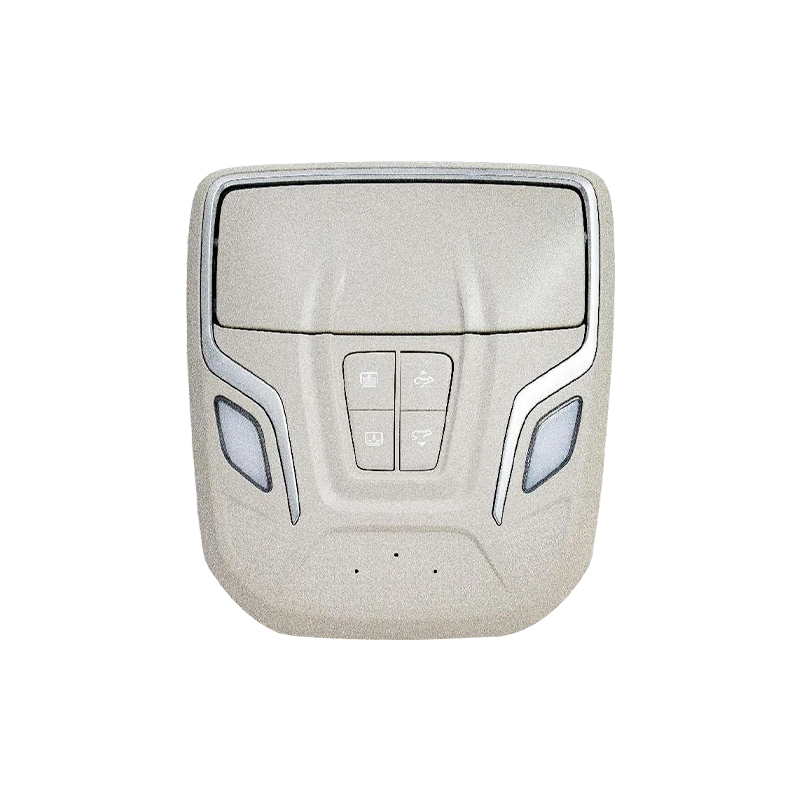
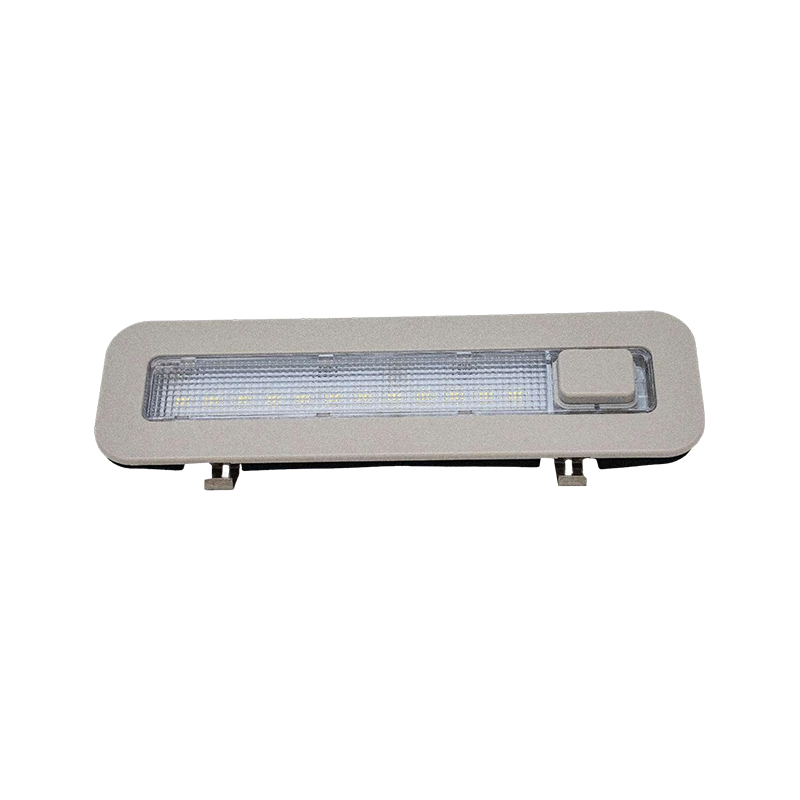
When a dome light is working, the heat generated by the LED chip needs to be quickly dissipated through an efficient heat dissipation path to keep the junction temperature within a safe range.
With LED technology fully replacing traditional halogen light sources, license plate lights have not only achieved leaps in lifespan, energy consumption, and brightness, but their millisecond-level rapid response capability has also become a "hidden hero"
Ensuring color temperature consistency for automotive interior lighting dome lights requires a process that spans the entire lifecycle, including light source selection, optical design, circuit control, calibration processes, and material matching.
Compared to traditional metal-encapsulated LEDs, grease-encapsulated LEDs have lower thermal resistance and higher luminous efficacy, reducing the loss of electrical energy converted into heat.