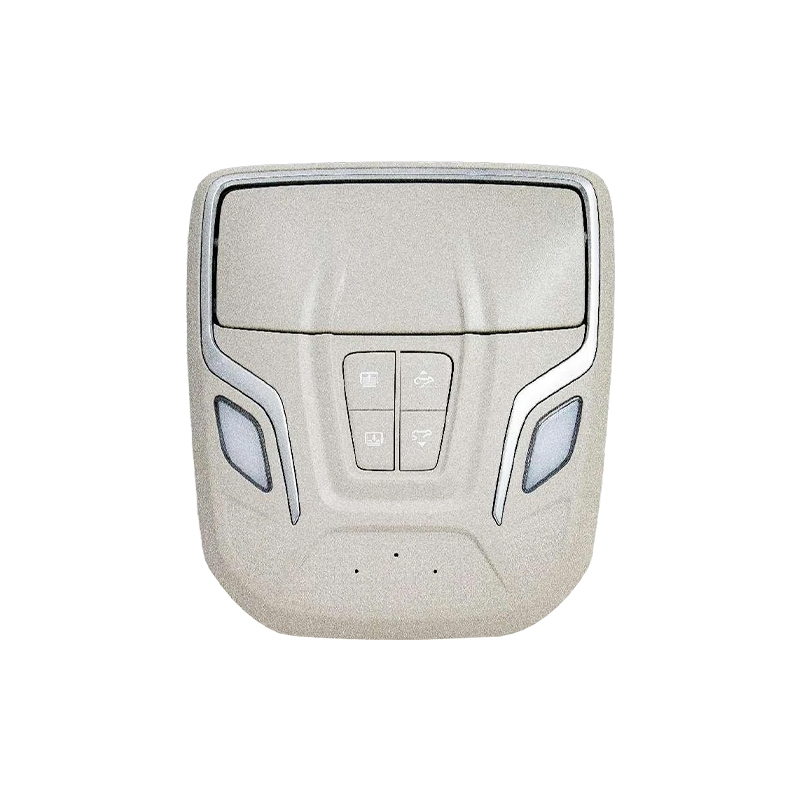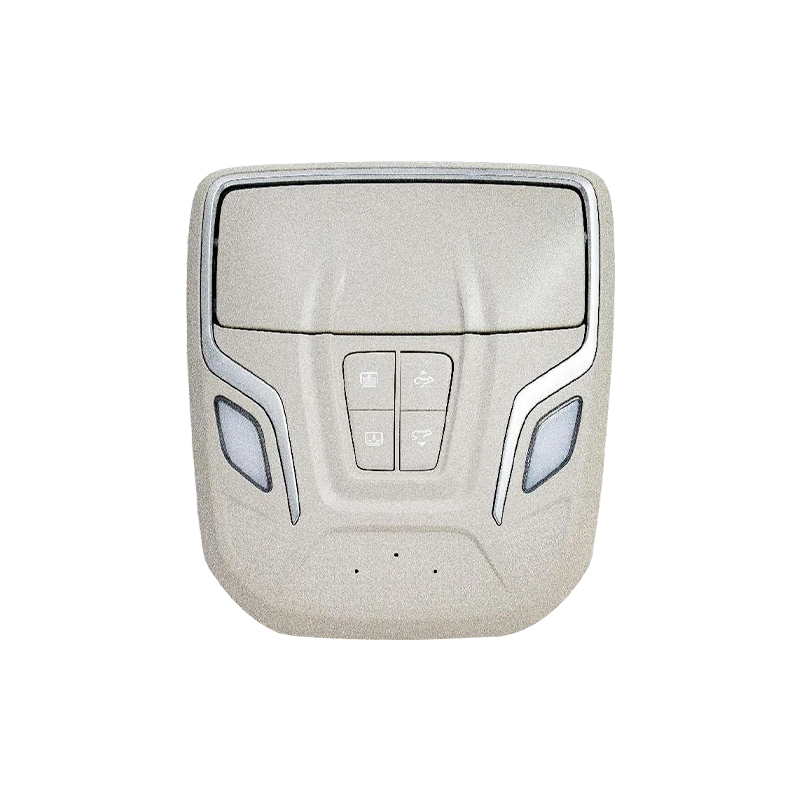
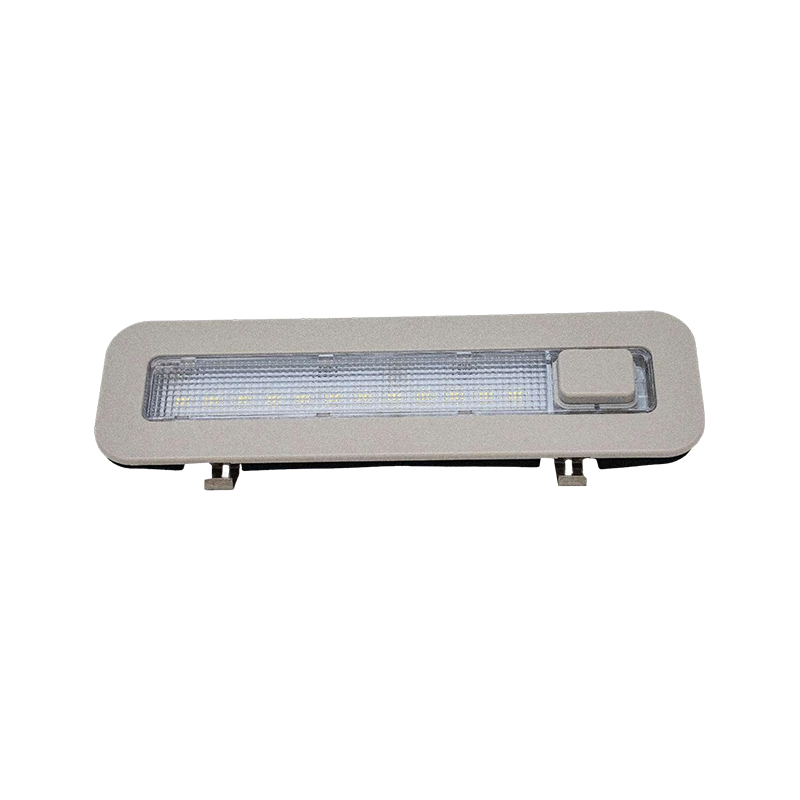
Ensuring color temperature consistency for automotive interior lighting dome lights requires a process that spans the entire lifecycle, including light source selection, optical design, circuit control, calibration processes, and material matching.
Compared to traditional metal-encapsulated LEDs, grease-encapsulated LEDs have lower thermal resistance and higher luminous efficacy, reducing the loss of electrical energy converted into heat.
In terms of application scenarios, the flicker control of headlights not only serves basic functions such as turning and warning, but also extends to the field of intelligent driving assistance.
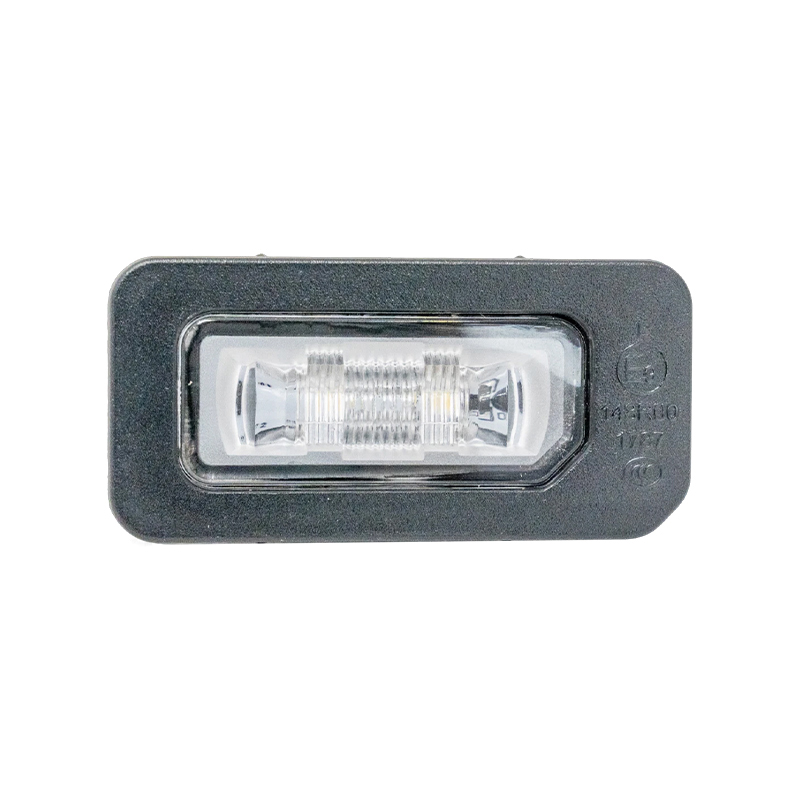
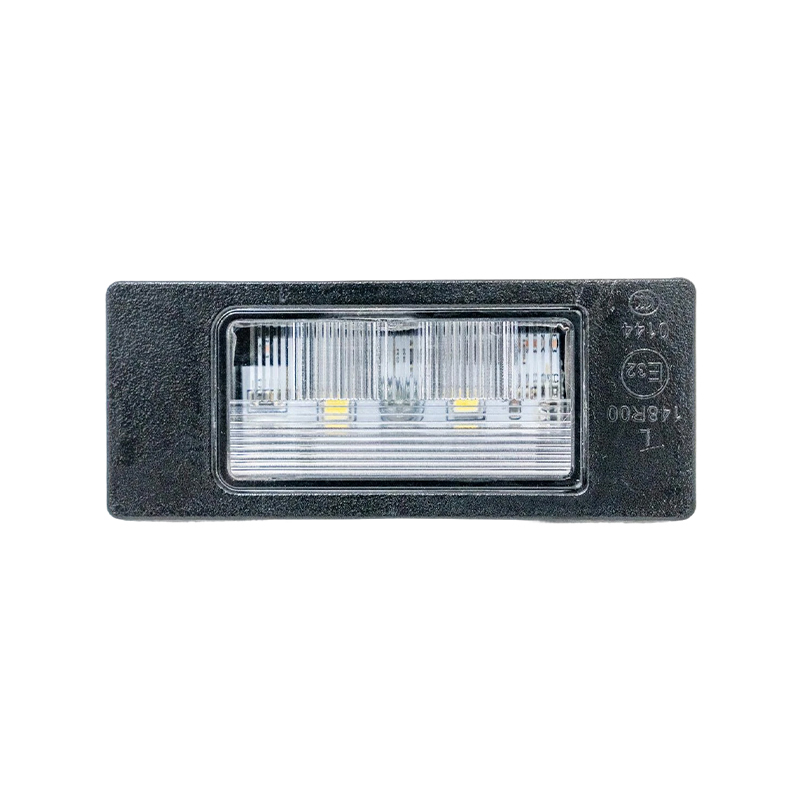
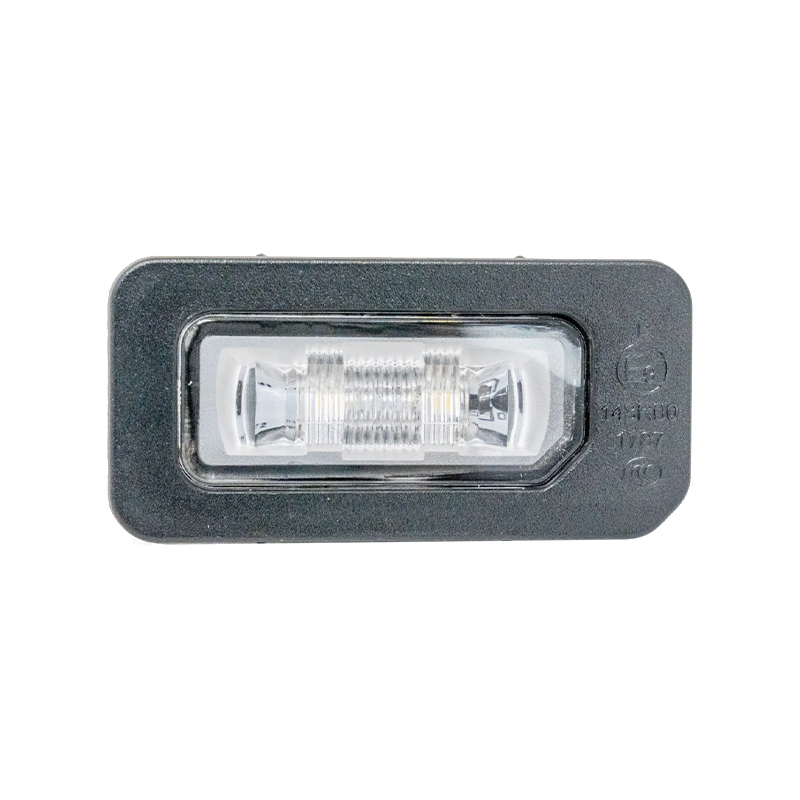
In automotive lighting systems, headlights, taillights, and turn signals often receive significant attention, while the small license plate light, installed at the rear of the vehicle specifically to illuminate the license plate, is often overlooked.
On city streets or highways at night, a vehicle's license plate, though small, is crucial for identification.
Interior lighting: dome lights are evolving from being "visible" to being "perceptible." By integrating with ambient lighting systems, intelligent scene control, user-friendly features, and aesthetic design, it has become the core engine for creating an i